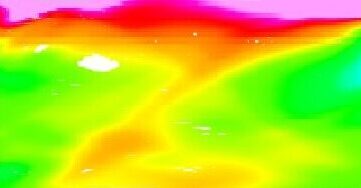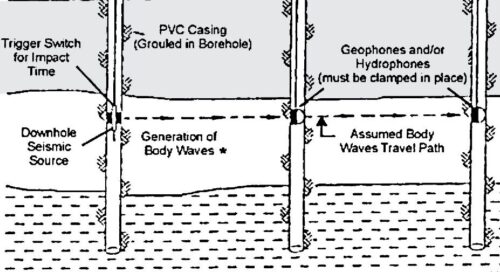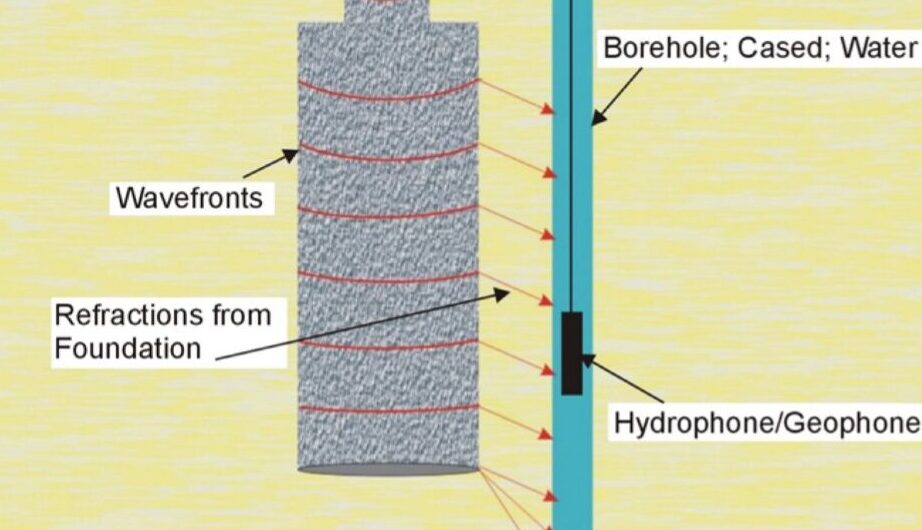
Crosshole seismic testing, borehole seismic tomography, and parallel seismic methods are all borehole-based geophysical techniques used to evaluate subsurface and foundation conditions by measuring seismic wave velocities. These methods differ in purpose, resolution, and common applications. Crosshole seismic testing focuses on obtaining highly accurate one-dimensional vertical profiles of P- and S-wave velocities between boreholes for detailed soil and rock characterization in geotechnical and seismic design applications. Borehole seismic tomography builds on this approach by using multiple source–receiver combinations and inversion modeling to produce 2D or 3D images of subsurface features, providing higher-resolution visualization of complex structures. The parallel seismic method is primarily used to determine the depth and integrity of existing foundations by recording waves generated from impacts on the structure and measured in a nearby borehole, making it especially useful when foundation access is limited. Selection of methods depends on project goals and budget, required resolution, and site access.